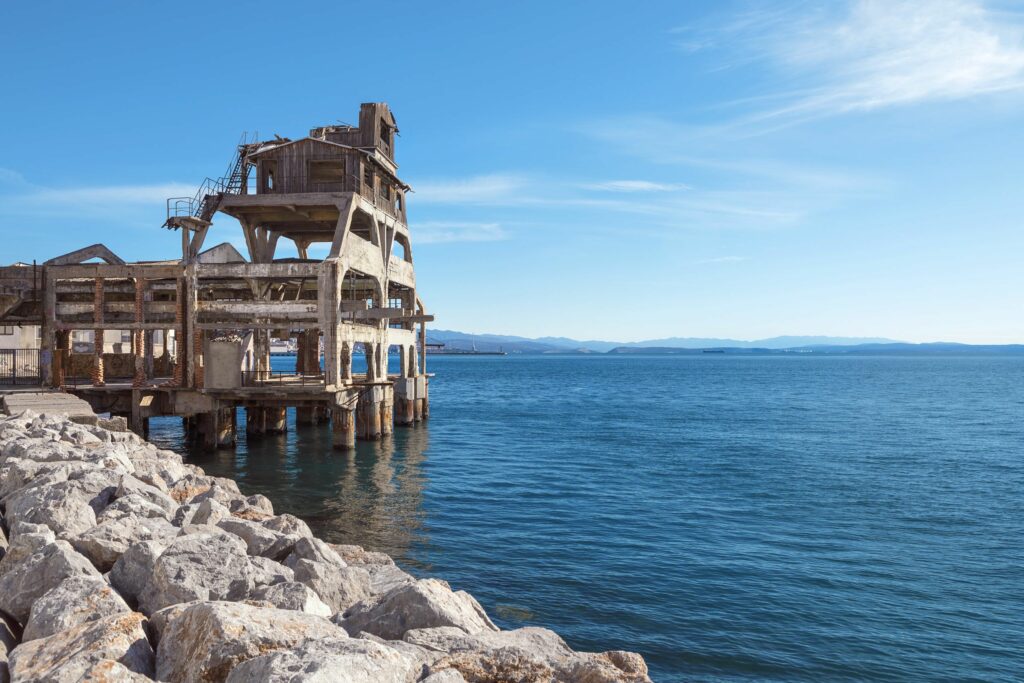
Torpedo – Launch station
The launch station from the 1930s was a part of the closed torpedo factory. It is a testimony to the technical inventiveness of Rijeka during this period and at the

The launch station from the 1930s was a part of the closed torpedo factory. It is a testimony to the technical inventiveness of Rijeka during this period and at the
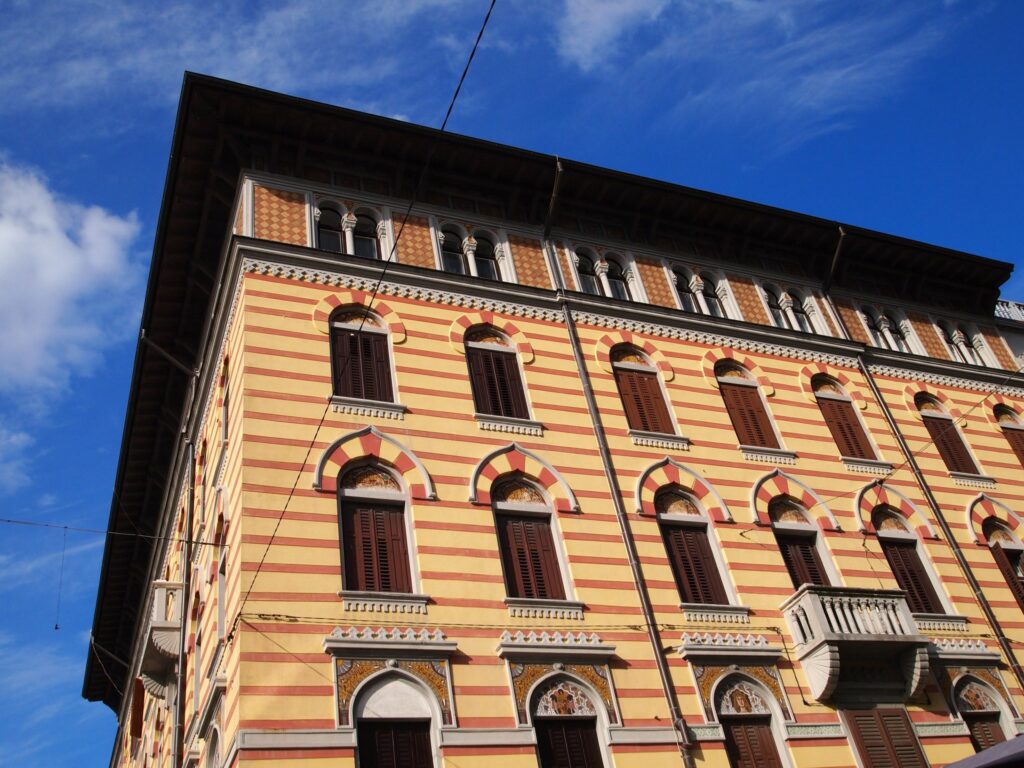
The Turkish House was built close to the heart of the city market and attracts visitors thanks to its picturesque appearance. This appearance is reminiscent of the Orient. The building
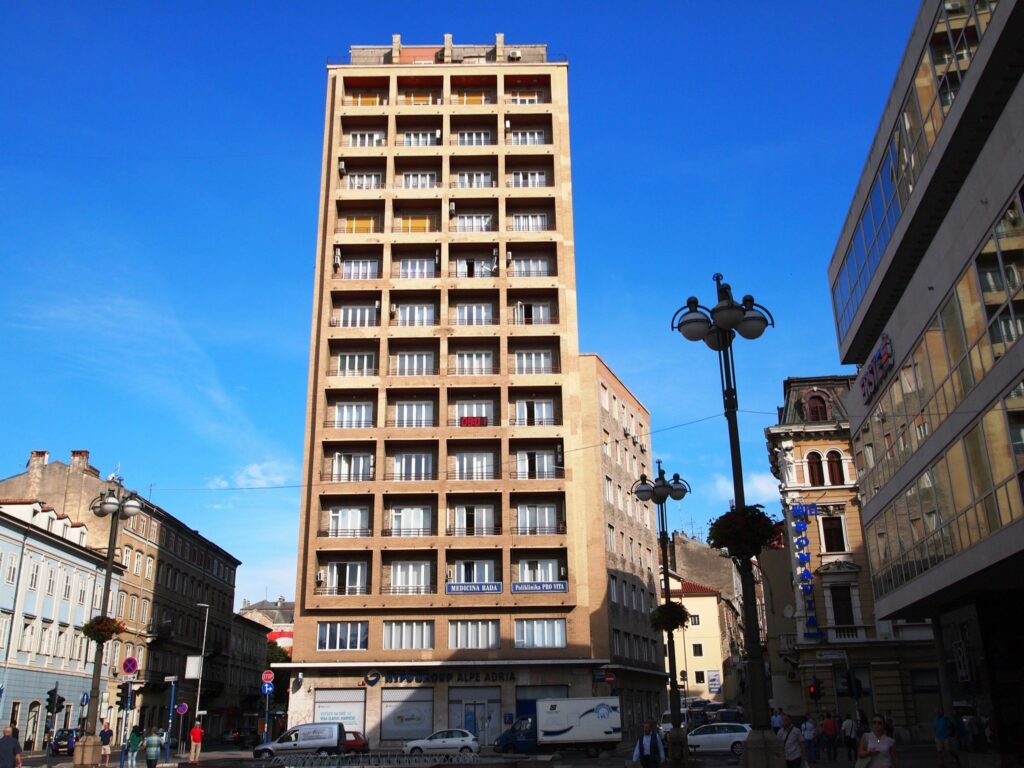
The skyscraper that dominates the square on the western end of the Korzo was built during the Second World War, in 1942. It was an investment by Enrico de Arbori,
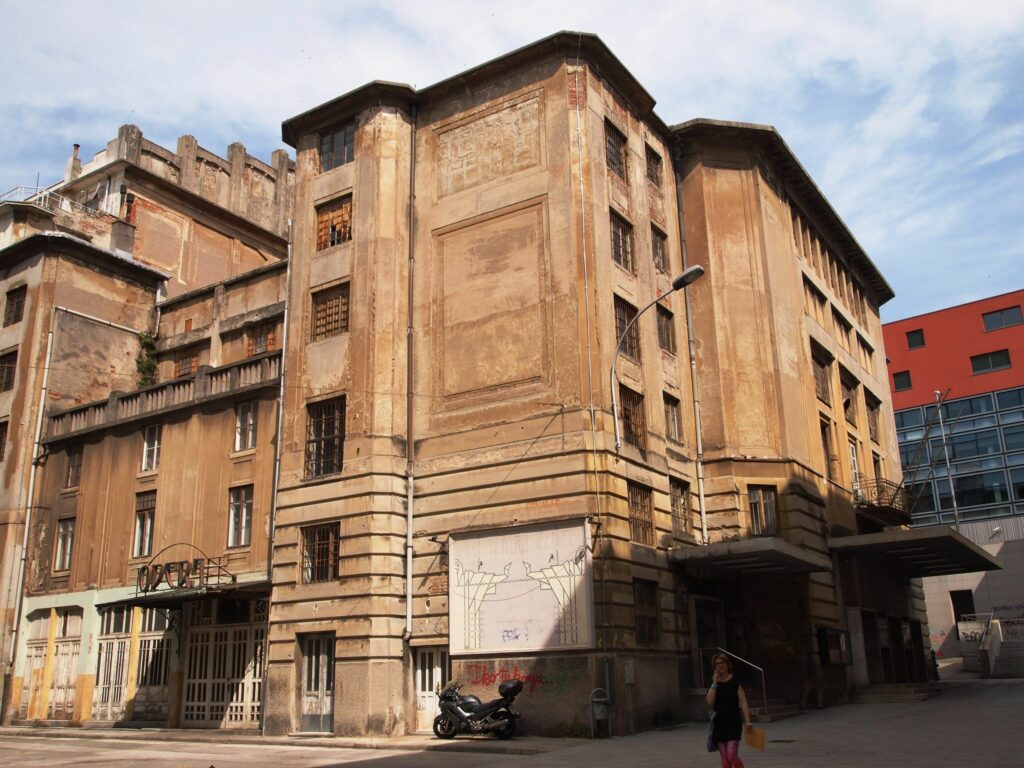
The large Art Nouveau building of the Teatro Fenice as we know it today dates back to 1914 and is the successor of the similar older and more modest facility.
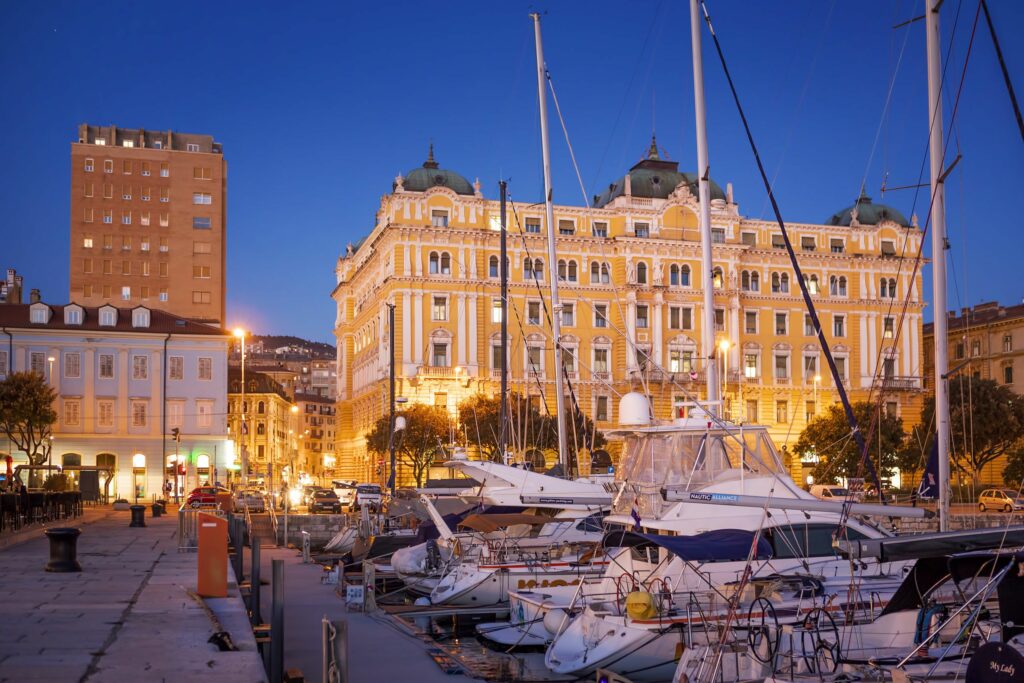
The Adria Palace is a symbol of Rijeka’s maritime power. In the period of its construction it was proclaimed as a facility that would be the most beautiful and richest building
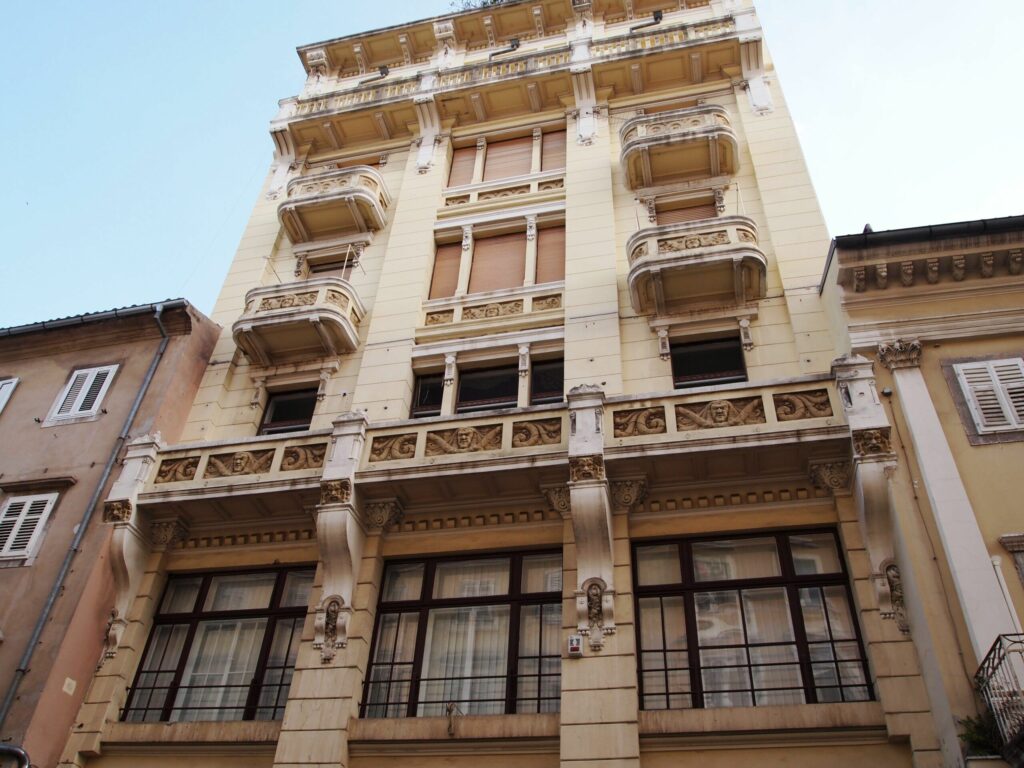
The Corso cinema and theatre appeared on Korzo in 1913, based on the design of the owner of the facility, Francesco Mattiassi. In order to make that happen, Mattiassi reconstructed
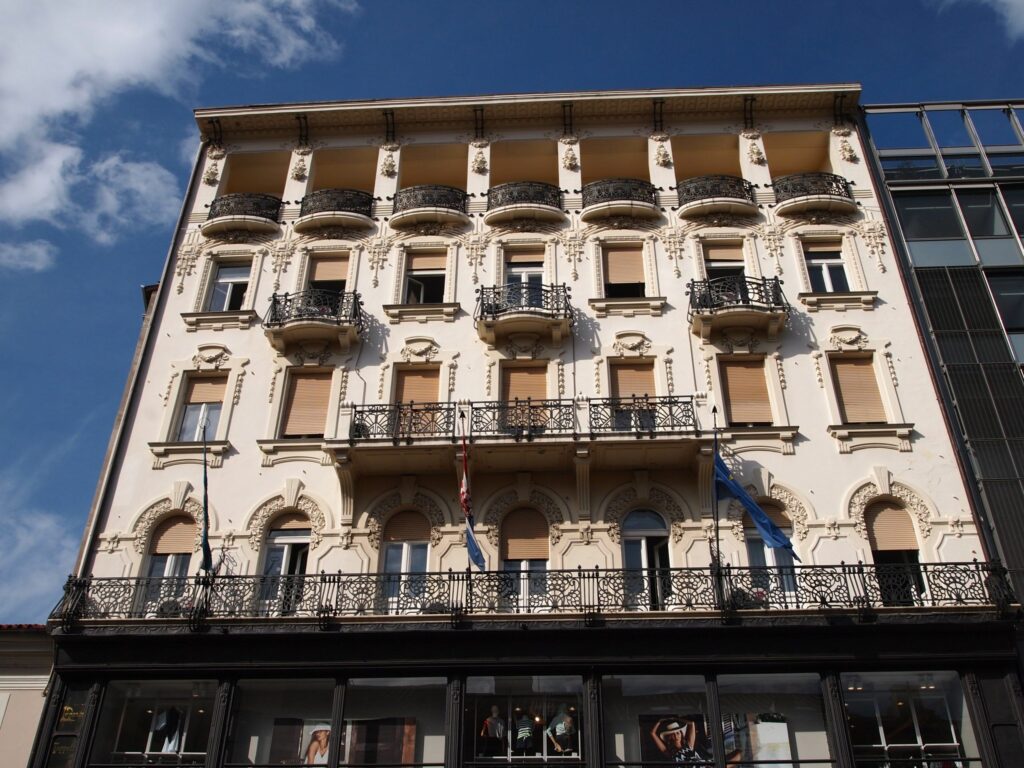
The former Royal hotel can be recognised in the building which today houses the seat of the Primorje-Gorski kotar County. The building was built on the Rijeka Korzo in 1906
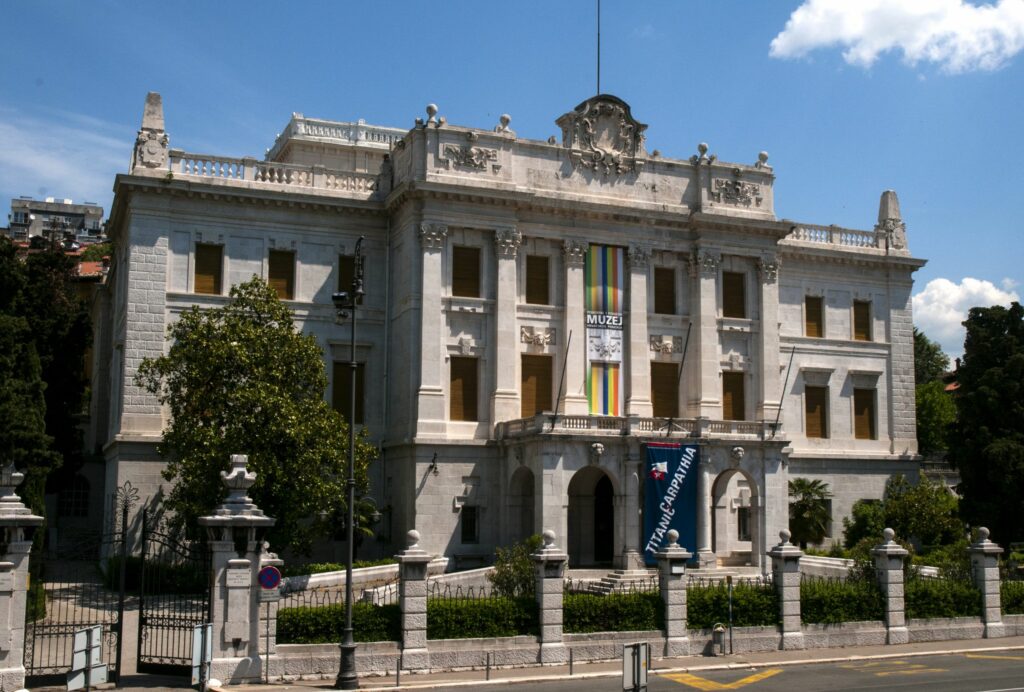
The construction of the Governor’s Palace began in 1892 at the time of the Governor Lajos Batthyány and based on the design of one of the leading Hungarian architects of
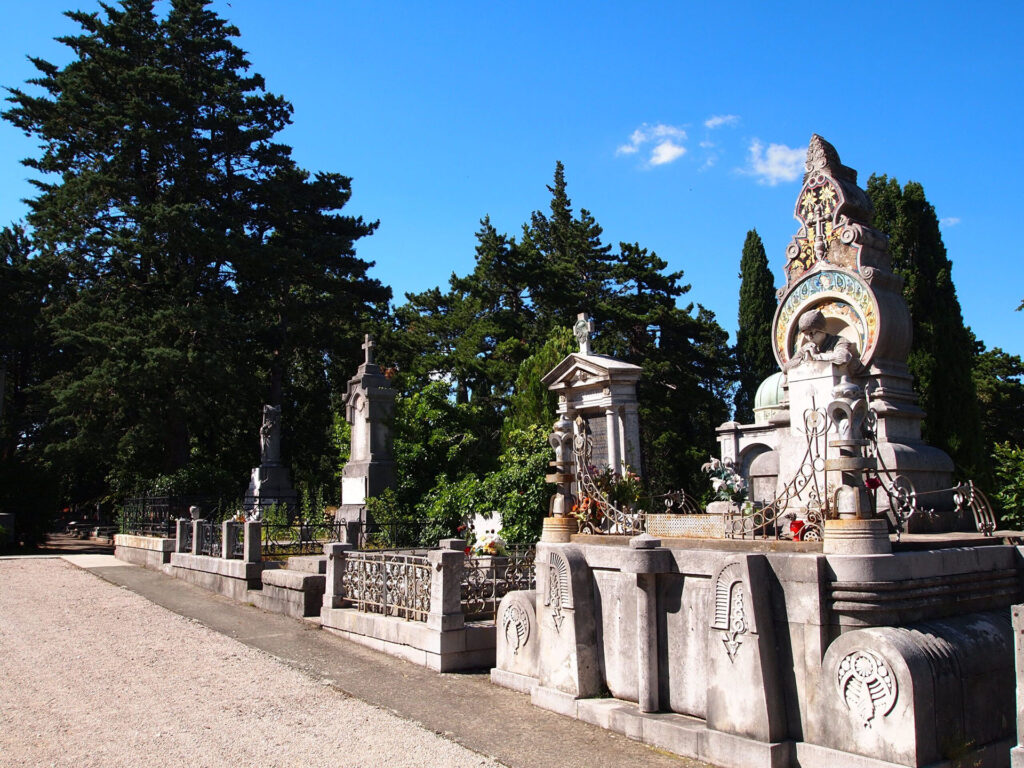
Kozala Cemetery was one of the first communal cemeteries in Europe. The terrain used for its construction was purchased in 1771 and it has been enlarged several times. The cemetery
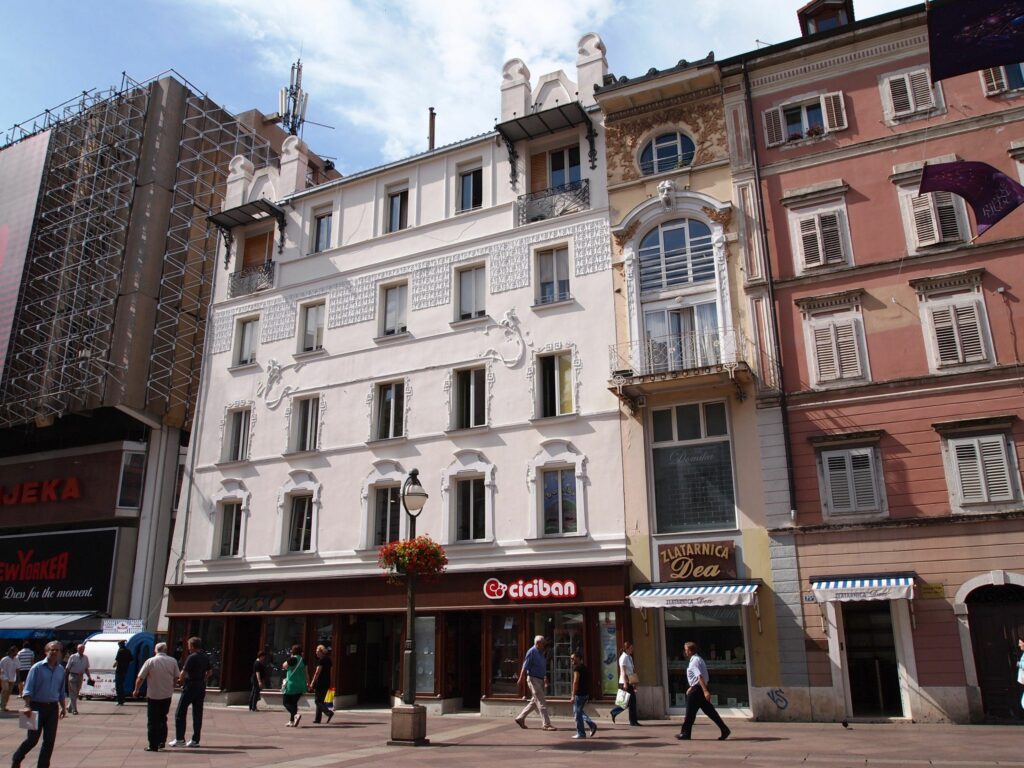
When Giovanni Schittar’s two floored house on Korzo became a three floored house in 1905, its new facade smiled at Korzo in Art Nouveau style. This was a metaphorical transformation of the